
Cuisinart SM-50R 5.5 Quart Stand Mixer
A stand mixer (5.2L, 110 watts), a solid choice for everyday baking and the occasional bread dough.
A stand mixer and a hand mixer both beat, whip and mix, but they suit very different bakers. This guide compares them on power, dough, effort, storage and value so you can choose.
Choose a stand mixer for hands-free power, bread and frequent or larger baking, and a hand mixer for occasional, light mixing, small kitchens and a low price. The stand mixer does the work for you and handles dough; the hand mixer is cheap, compact and grabbed in seconds. Many casual bakers are perfectly served by a hand mixer alone.
A stand mixer is far more powerful and can knead bread with its dough hook, working stiff doughs a hand mixer cannot. Hand mixers are fine for cake batter, cream and egg whites but struggle or simply cannot manage proper bread dough. If bread or heavy mixing is on your menu, the stand mixer wins decisively.
The stand mixer's big advantage is hands-free operation: it runs while you do other things, which matters for long creaming or kneading. A hand mixer needs you to hold and guide it throughout, which is fine for short jobs but tiring for long ones. For multitasking bakers, the stand mixer is far more convenient.
Hand mixers win on price, weight and storage - they cost a fraction as much and tuck into a drawer. Stand mixers are expensive, heavy and need permanent or near-permanent worktop or cupboard space. For small kitchens and tight budgets, that practicality can outweigh the stand mixer's power.
Plenty of bakers keep a stand mixer for big jobs and bread, plus a hand mixer for quick tasks like whipping a little cream without hauling the big machine out. If budget and space allow, the two complement each other well. If you must pick one, base it on how often you bake and whether you make bread.
Pick a stand mixer if you bake regularly, make bread, or do larger batches and want hands-free power. Pick a hand mixer if you bake occasionally, make only light mixes, or are short on space and budget. There is no shame in a hand mixer being the right tool for your kitchen.
A stand mixer (5.2L, 110 watts), a solid choice for everyday baking and the occasional bread dough.
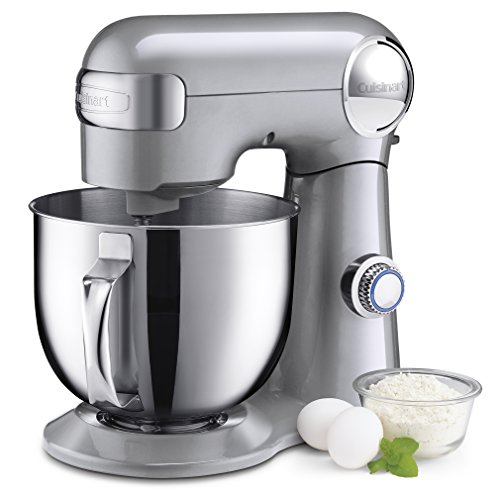
A stand mixer (500 watts), a solid choice for everyday baking and the occasional bread dough.
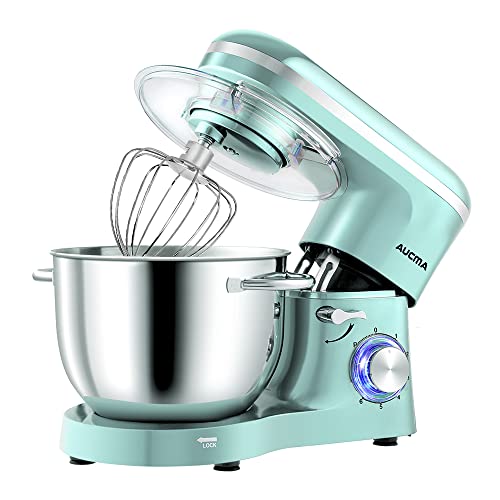
A stand mixer (6.2L, 1400 watts, tilt-head), a solid choice for everyday baking and the occasional bread dough.

A stand mixer (5.7L, 1500 watts, tilt-head), a solid choice for everyday baking and the occasional bread dough.

A stand mixer (7.5L, 1400 watts, tilt-head), a solid choice for everyday baking and the occasional bread dough.

A stand mixer (300.00, tilt-head), a solid choice for everyday baking and the occasional bread dough.
Neither is simply better - they suit different bakers. A stand mixer gives hands-free power and can knead bread; a hand mixer is cheap, compact and fine for light, occasional mixing. Choose based on how often you bake and whether you make bread.
For light tasks like cake batter, cream and egg whites, largely yes. But a hand mixer cannot knead bread dough or run hands-free, which are the stand mixer's key strengths. For bread and heavy mixing, you need a stand mixer.
Only if you bake often, make bread, or want hands-free mixing for larger batches. For occasional, light baking a hand mixer is enough. Many bakers happily keep both - a stand mixer for big jobs, a hand mixer for quick ones.
Our top pick is the Cuisinart SM-50R 5.5 Quart Stand Mixer (our score 9.6/10) - A stand mixer (5.2L, 110 watts), a solid choice for everyday baking and the occasional bread dough..