
Cuisinart SM-50R 5.5 Quart Stand Mixer
A stand mixer (5.2L, 110 watts), a solid choice for everyday baking and the occasional bread dough.
Choosing a stand mixer comes down to a few features that genuinely matter, not marketing claims. This guide explains bowl size, power, tilt-head vs bowl-lift and attachments so you can buy the right one.
Match the mixer to your baking: a 4.5 to 5.5 litre bowl for most homes, enough power for bread if you bake it, the three standard tools, and a tilt-head or bowl-lift design to suit your worktop and dough. Get those right and brand and colour are secondary. Size up the bowl and power if you bake bread or in larger batches.
Bowl capacity sets how much you can make at once. Around 4.5 to 5 litres suits most home baking; 5.5 litres and up helps for batch baking and bigger households; 3.5 to 4.5 litres suits small kitchens and occasional bakers. A bowl too small means working in batches; too big wastes space and money if you rarely fill it.
Wattage is a rough guide, not the whole story, but power matters most for bread - kneading stiff dough strains a weak motor. For cakes, biscuits and whipping, moderate power is plenty. If you bake bread regularly or in quantity, prioritise a more powerful, sturdier mixer that can drive the dough hook without labouring.
Tilt-head mixers lift the head back for easy access, are easier to store under cupboards, and suit most home baking. Bowl-lift mixers raise the bowl to the tools, tend to be sturdier under heavy loads, and suit large or stiff doughs. For most buyers tilt-head is the convenient choice; choose bowl-lift mainly for heavy, frequent bread.
Decide if you want the attachment ecosystem, as it can shape which brand you choose.
A stand mixer (5.2L, 110 watts), a solid choice for everyday baking and the occasional bread dough.
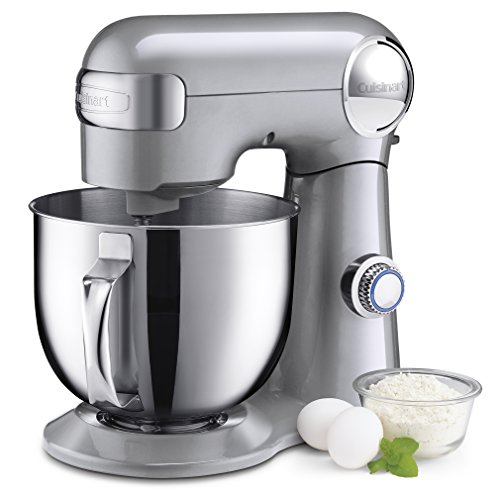
A stand mixer (500 watts), a solid choice for everyday baking and the occasional bread dough.
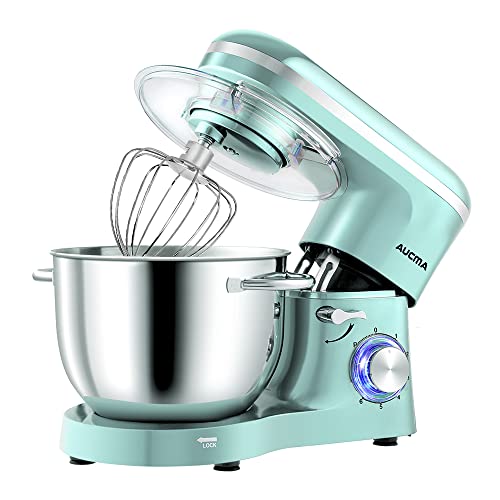
A stand mixer (6.2L, 1400 watts, tilt-head), a solid choice for everyday baking and the occasional bread dough.

A stand mixer (5.7L, 1500 watts, tilt-head), a solid choice for everyday baking and the occasional bread dough.

A stand mixer (7.5L, 1400 watts, tilt-head), a solid choice for everyday baking and the occasional bread dough.

A stand mixer (300.00, tilt-head), a solid choice for everyday baking and the occasional bread dough.
Match it to your baking: a 4.5 to 5.5 litre bowl for most homes, enough power for bread if you make it, the three standard tools, and a tilt-head or bowl-lift design to suit your worktop and dough.
Wattage is a rough guide. Moderate power suits cakes, biscuits and whipping; bread is where more power matters, since kneading stiff dough strains a weak motor. Prioritise power if you bake bread regularly or in quantity.
Tilt-head mixers lift the head back for easy access and easier storage, suiting most home baking. Bowl-lift mixers raise the bowl to the tools and are sturdier for large, heavy doughs. Choose bowl-lift mainly for frequent heavy bread.
Our top pick is the Cuisinart SM-50R 5.5 Quart Stand Mixer (our score 9.6/10) - A stand mixer (5.2L, 110 watts), a solid choice for everyday baking and the occasional bread dough..